
 Mon, Jun 29, 2026


 Mon, Jun 29, 2026


IATA warns ‘green taxes’ could make Caribbean air travel more expensive



By Kurt Campbell in RIO DE JANEIRO
The International Air Transport Association (IATA) is cautioning governments across Latin America and the Caribbean against imposing environmental taxes that increase the cost of flying without directly funding aviation sustainability projects.
Speaking ahead of IATA’s Annual General Meeting in Rio on Saturday, Regional Vice President for the Americas Peter Cerdá said the industry supports decarbonisation but warned against policies that simply raise costs for passengers.
“We cannot accept policies that simply increase costs.”
Cerdá said some so-called green taxes are collected in the name of environmental protection but do not necessarily fund sustainable aviation initiatives, instead flowing into general government revenues.
“You don’t decarbonise aviation by making it unaffordable.”
The aviation industry is pushing for greater investment in Sustainable Aviation Fuel (SAF), which is viewed as the sector’s primary pathway to achieving net-zero emissions by 2050. However, IATA argues that governments should focus on encouraging production and investment rather than imposing costly mandates before supply is available.
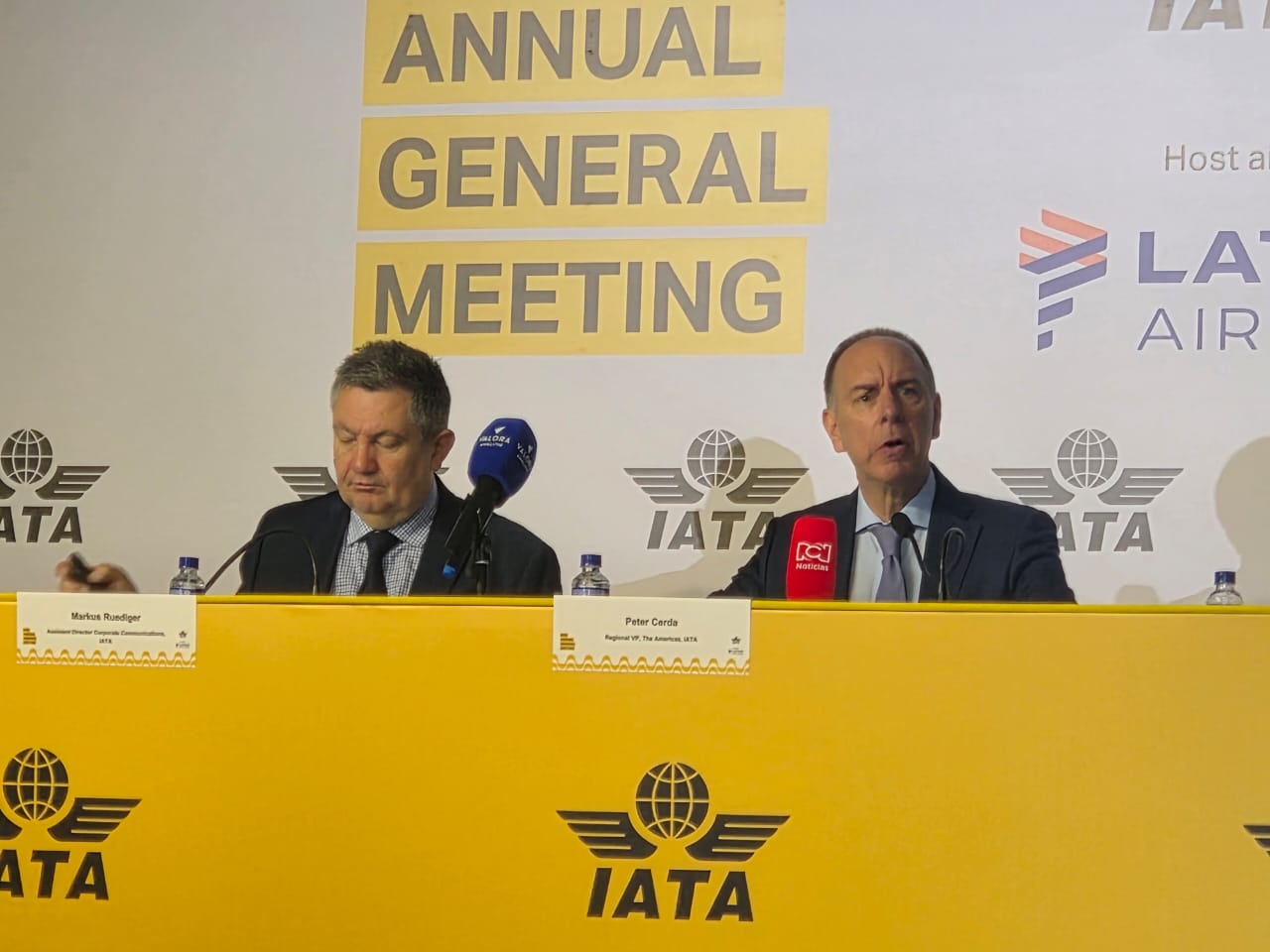
Despite concerns over rising taxes and regulations, IATA forecasts passenger demand in Latin America and the Caribbean will grow by about 3.7 per cent annually through 2040.
“Aviation is essential. If we get it right, the Americas can become one of the strongest aviation growth stories globally.”
The association is urging governments to pursue climate goals while keeping air travel affordable and accessible for passengers.
Cerdá said taxes and charges already account for about nine per cent of ticket prices in Latin America and the Caribbean, compared to 15 per cent in North America, but warned that governments continue to view aviation as an easy source of revenue.
“Our message to governments throughout the region is very clear: no new taxes,” Cerdá declared.
He argued that while policymakers frequently call for greater connectivity and tourism growth, some government policies are having the opposite effect by making air travel less affordable.
Although Guyana was not specifically mentioned among countries imposing new aviation fees, IATA’s broader warning may be particularly relevant as the country seeks to expand tourism and strengthen international connectivity.
Cerdá urged governments throughout the region to avoid introducing new taxes on air travel, arguing that higher costs ultimately reduce demand and discourage airlines from expanding service.