
 Thu, Jul 2, 2026


 Thu, Jul 2, 2026


Alcohol & heat a dangerous combination – Environmental specialist warns



As El Niño takes shape globally, local environmental specialist, Nayan Persaud is warning that Guyanese must become aware of ways to protect themselves.
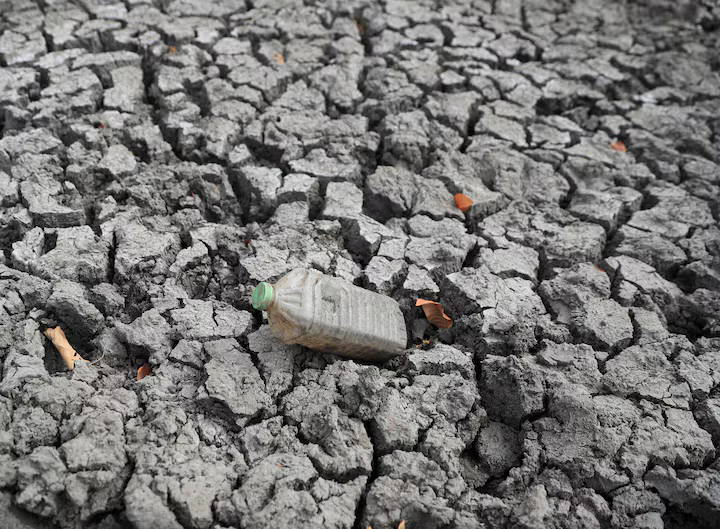
According to Persaud, the Guyanese populace must be aware that heat strokes and severe dehydration are among the rising risks of prolonged heat. El Niño is a periodic climate phenomenon characterised by unusually warm ocean surface temperatures in the central and eastern tropical Pacific Ocean. It causes severe dry weather which can cause droughts and forest fires, among other dangers.
The warning comes as global climate authorities confirm El Niño is now active and intensifying globally. As such persons must be aware that activities like exercise and alcohol consumption must be done with the extreme heat in mind.
“Alcohol consumption could pose a negative effect on the body when it’s [the body] exposed to heat. When you consume alcohol, you become more susceptible to becoming dehydrated so the body will need a lot more water. It basically empties the body of a lot of substances that the body needs such as electrolytes,” he said.

He explained that consuming unnecessary amounts of alcohol during the extremely hot season puts the body at risk of heat stroke.
Based on global data from the World Meteorological Organization, it has already started with strong heat waves in some parts of the world and likelihood of El Niño persisting at near or above 90% through November. It warns the event is typically associated with drier conditions over the Caribbean and northern South America.
In the Caribbean and Central America, El Niño typically manifests as a significant reduction in cumulative rainfall, with prolonged water deficits threatening food security, agriculture, and public health. Persaud said this is a major issue for Guyana where the agriculture sector relies heavily on the climate for production.
“The El Niño period is a long period of dry season. It’s basically little to below average rain fall. You would be seeing is more dry conditions and less amount of rainfall. It could affect a lot of sectors including the agriculture sector which heavily relies on rainfall,” Persaud said.
Persaud encourages the public to monitor heat alerts from the Ministry of Health and the Hydrometeorological Office, increase water intake, limit outdoor exposure during the hottest parts of the day, and wear sunscreen when going outside.