
 Wed, Jul 8, 2026


 Wed, Jul 8, 2026


Over 1,100 early childhood practitioners trained; 352 care centres licensed



Guyana has trained more than 1,100 early childhood development practitioners and licensed hundreds of child care facilities as it continues to strengthen services for young children.
The figures were highlighted by Minister of Human Services and Social Security, Dr Vindhya Persaud, during the opening ceremony of the 2026 National Early Childhood Development Conference 2026, held under the theme “It Takes a Village: Uniting Hearts and Minds for Early Childhood.”
In her keynote address, Dr Persaud disclosed that Guyana now has its first National Integrated Early Childhood Development Policy, which brings together all key sectors to focus on children from birth to three years and nine months before they commence formal education.
She said parenting is a pivotal component of the programme and “starts before the child is born.”
According to Dr Persaud, 1,100 early childhood development practitioners have been trained to date. She added that over the past five years, more than 6,000 persons have been trained in child care, while 459 persons were trained to provide home-based and community-based care in Regions Two, Three, Four, Five, Six, Seven and Nine.
“As we build we must also build human capacity…making sure we equip you with the skills to deliver the best care of our children, ensuring we satisfy the six pillars including their safety, security, learning, nutrition,” Dr Persaud said.
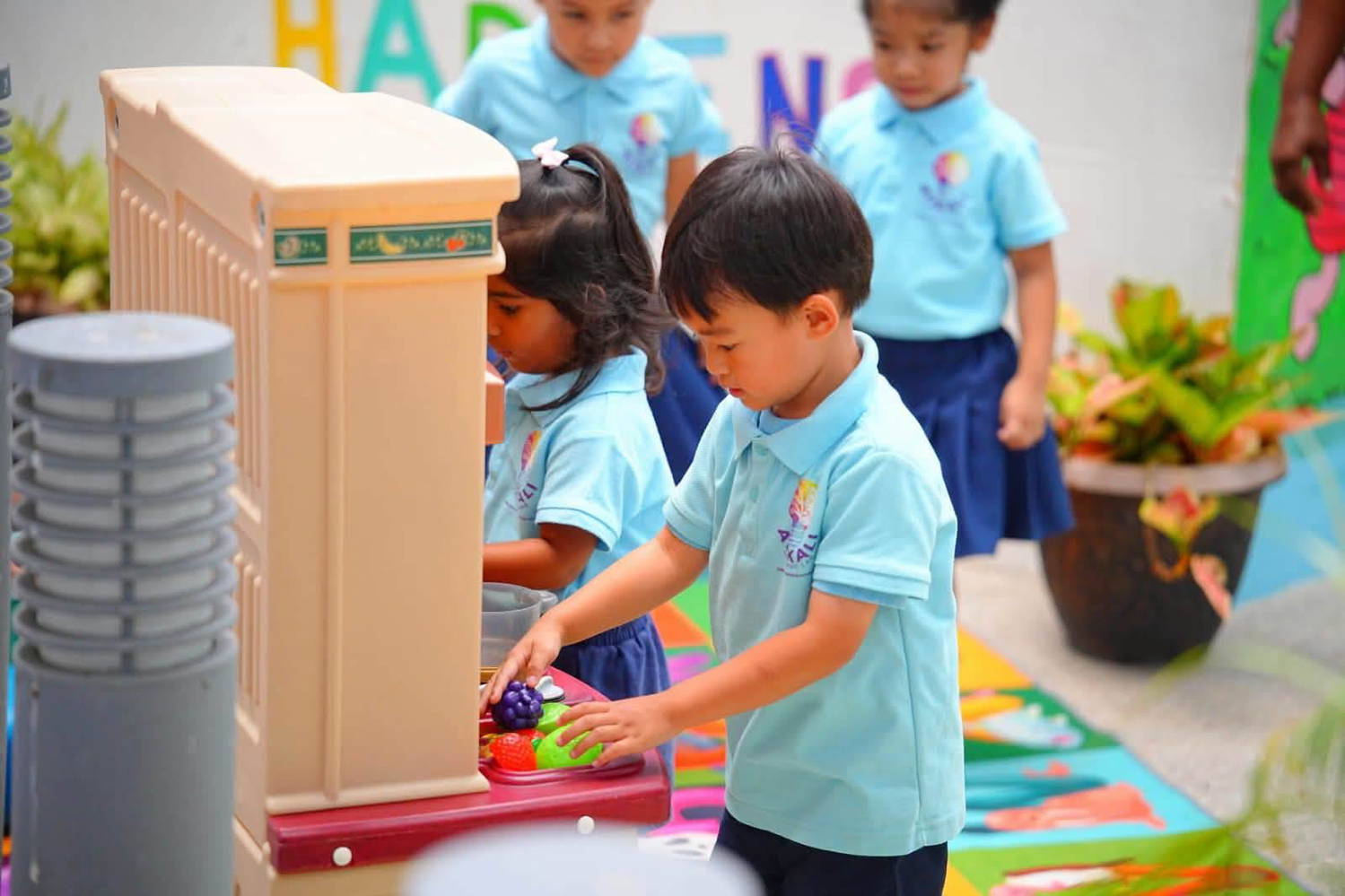
Beyond training, Dr Persaud said the ministry has also focused on strengthening child care centres across the country. Through the Early Childhood Development Unit, 352 care centres have been licensed and 376 registered to ensure they conform to the ministry’s standards.
Dr. Persaud also said Guyana currently has 25 Centres of Excellence. On Wednesday, a number of persons received Centre of Excellence grants.
Also addressing the conference, UNICEF Guyana and Suriname Country Representative Anna Azaryeva Valente underscored the importance of investing in children during their earliest years.
“The early years of life is really critical. Any action, any moment of life completely shapes the future of a child,” she said.
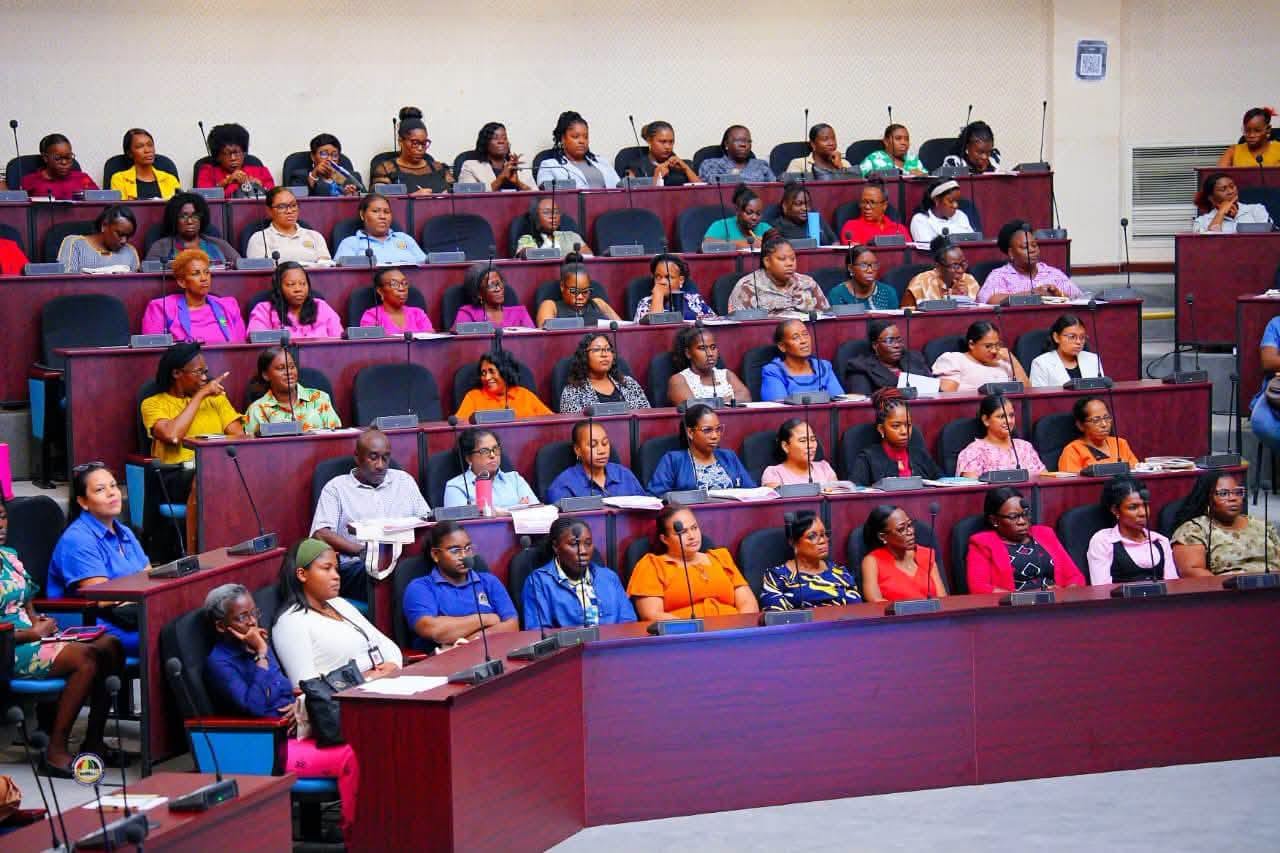
Valente described the National Integrated Early Childhood Development Policy as “more than a document.”
“It’s a critical road map that provides a shared vision ensuring that every child…has truly inclusive access to quality services that support they development,” she said, adding that early childhood development “is a key national development priority that requires a village,” she said.
Meanwhile, Head of Cooperation at the Canadian High Commission, Adam Loyer, said early childhood development is everyone’s responsibility.
“The first years of a child’s life is a period of extraordinary growth and opportunity. During this time the foundations are laid for lifelong learning, health, wellbeing and connectivity,” Loyer said.
He added that when children receive nurturing care, early opportunities, appropriate nutrition, protection and responsive support they are better equipped throughout their entire lives.