




Region Four tops cocaine seizures, Region Six leads marijuana busts in CANU’s 2025 crackdown
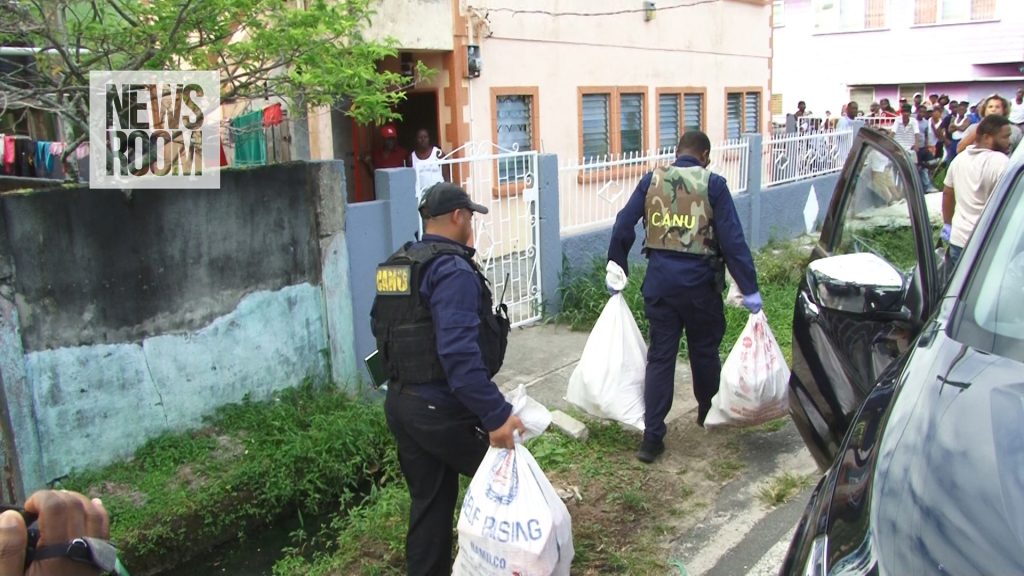

Regions Four and Six led Guyana’s narcotics interdiction efforts in 2025, accounting for the highest cocaine and cannabis seizures respectively, as the Customs Anti-Narcotic Unit (CANU) intensified intelligence-led operations and expanded prevention and enforcement nationwide.
According to CANU’s 2025 performance data, Region Four recorded the largest cocaine seizures at 172.8 kilogrammes, while Region Six accounted for the highest volume of cannabis seized at 576 kilogrammes, underscoring the continued concentration of trafficking activity along major population centres, transport corridors and border-linked regions.
Overall, CANU seized a total of 235.9 kilogrammes of cocaine and 726.3 kilogrammes of cannabis during the year, along with smaller but increasing quantities of synthetic drugs, including 674 grammes of ecstasy and 83 grammes of methamphetamine. Cannabis products totalling 9.16 grammes were also confiscated. Cocaine and cannabis remained the dominant narcotics threats, representing the vast majority of trafficking attempts into and through Guyana.
The Unit noted that cocaine seizures declined sharply compared to 2024, a reduction attributed largely to a single extraordinary seizure made in Region One during the previous year. Despite this decline, authorities emphasised that trafficking networks remain active and adaptive, particularly in coastal and border-adjacent regions.
A major milestone in 2025 was the formal launch of Guyana’s National Early Warning System (EWS), spearheaded by CANU to strengthen national capacity to detect, assess and respond to new psychoactive substances and emerging drug threats. The system integrates inputs from law enforcement, forensic services, health agencies and analytical bodies, enabling rapid alerts, evidence-based interventions and informed policy responses aligned with regional and international best practices.
Throughout the year, CANU intensified intelligence-driven interdiction operations, targeting organised criminal networks, trafficking routes and high-risk ports and border points. These operations resulted in 117 arrests, with 62 persons charged. Approximately 82 per cent of those arrested were male, reflecting global drug-crime trends. Arrests peaked in April, May, July and September.
The courts secured 29 drug-related convictions in 2025, including 14 for cocaine offences, 12 for cannabis and three linked to synthetic drugs and cannabis products. Fines imposed reached as high as GYD $311 million, while custodial sentences extended up to four years, depending on the quantity involved and evidence of trafficking intent.
The estimated street value of all narcotics seized during the year was placed at GYD $433.9 million. Cocaine accounted for approximately GYD $235.9 million of that total, while cannabis was valued at GYD $197.7 million. Ecstasy and methamphetamine combined represented less than one per cent of the overall estimated value, though officials cautioned that synthetic drugs are appearing with increasing frequency and remain under close monitoring through the Early Warning System.
CANU also reported a continued nexus between narcotics trafficking and firearms. Thirteen firearms were seized during operations in 2025, with 9mm pistols being the most common weapon recovered. Half of all firearms seized were directly linked to narcotics operations. While ammunition seizures declined by 62 per cent, the recovery of 9mm and shotgun rounds highlighted the persistent overlap between drug and firearm networks.
Beyond enforcement, CANU expanded its prevention, demand-reduction and community engagement initiatives, reaching 5,678 beneficiaries nationwide through school-based programmes, youth engagements, community outreach and interventions targeting vulnerable and special-needs groups. More than 86 per cent of all prevention activities were conducted in schools, aligning with the academic calendar and focusing on the most at-risk age groups.
The Unit also prioritised training and capacity building, with officers completing 27 local and international training programmes supported by partners including UNODC, REDTRAC, CICAD/OAS, the Canada Border Services Agency, French Special Operations, Colombian authorities, Singapore’s SCP and national agencies. These initiatives strengthened capabilities in crime scene processing, intelligence analysis, digital forensics, firearms proficiency, maritime operations and cybersecurity frameworks.
As it enters 2026, CANU said it is positioned to ensure Guyana remains a regional disruptor rather than a passive transit point for illicit drugs, supported by enhanced intelligence tools, expanded partnerships and improved operational readiness to confront evolving trafficking methods and rising synthetic drug risks.
Two in custody for unlicensed firearm, ammunition discovered in car at Stabroek
More arrests than charges as CANU secures 29 drug convictions in 2025
Related Articles
 Backlog of cases reduced but witness challenges persist – DPP
Director of Public Prosecutions (DPP), Mrs. Shalimar Ali-Hack, SC, has expressed satisfaction with her office’s progress in significantly reducing the...
 Guyana beefs up search and rescue capabilities
Local aviation stakeholders are benefitting from a new search and rescue information management system that helps boost Guyana’s capabilities to...
 Corentyne youth dies in car crash
Tragedy struck on Sunday night along the Number 36 Public Road, Corentyne, when a young man lost his life in...